Many brewers have considered, or are considering, adding a no-alcohol beer to their range. Having a project is great, but how do you make it happen? Brewing no-alcohol beer is challenging, and we all know it.
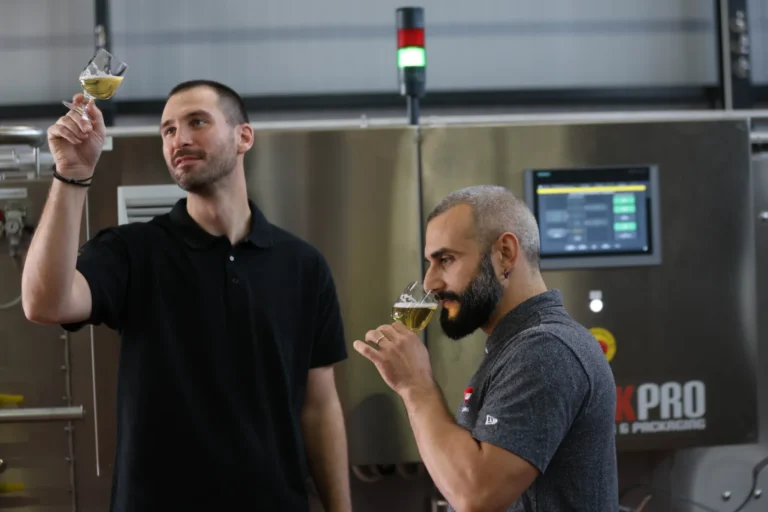
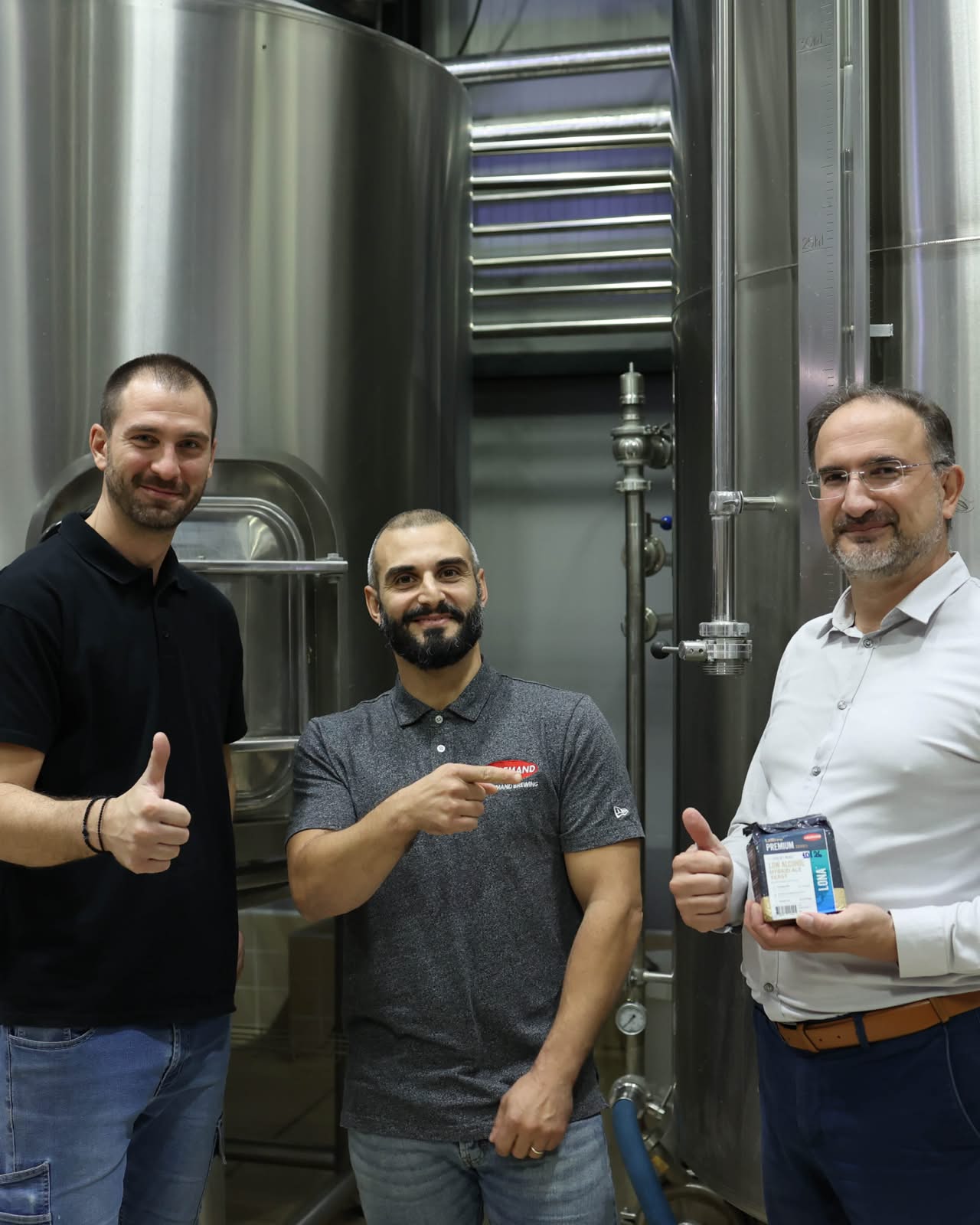
The best way to move forward is to get some help, and we can help. That’s exactly what George Kazamias, Brewmaster and Brewery Director at Pineios Brewery S.A., did. His goal was to brew a beer below 0.5% ABV that still delivers the balance, aroma, mouthfeel, and drinkability people expect from beer.
With support from Gianmaria Ricciardi, Technical Sales Manager for Southern Europe, the team developed a recipe using Lallemand Brewing’s NoLo solutions. The recipe includes LalBrew® LoNa™, a Saccharomyces cerevisiae yeast that does not metabolise maltose or maltotriose, resulting in very low attenuation. Brewers developing similar non-alcoholic beer styles may also consider additional solutions available from Lallemand Brewing to further modulate body and mouthfeel, such as ISY Enhance™, depending on the desired sensory profile.
In this interview, George shares what they learned, the technical challenges they encountered, and why he believes non-alcoholic beer represents an exciting area for brewers to explore.
What motivated you to start exploring non-alcoholic beer production?
As a brewer, I believe non-alcoholic beer is one of the most exciting developments in our industry today. Consumers want more choice without sacrificing quality or flavor, and I see that as an opportunity rather than a challenge. A phrase that I often use is:
“Beer is made from water, malt, hops and yeast. It is not alcohol that defines beer, but fermentation. Non-alcoholic beers are not simply a new product category. They represent the new era of brewing.”
That belief is what motivated us to start this journey.
What led you to choose Lallemand as a partner for this project?
The decision was very natural for me.
Throughout my brewing career, I have trusted Lallemand products and followed their innovation closely. When we decided to develop our first non-alcoholic beer, I didn’t want to reinvent the wheel. I wanted to work with people who had already invested years of research and expertise in this field.
In simple terms, we chose to stand on the shoulders of giants.
What were the main technical challenges you encountered during development, and how did you overcome them?
The biggest challenge was not reducing alcohol. It was creating a beer that still tastes like beer. My goal was simple: to brew a real beer, just with less than 0.5% alcohol.
Maintaining balance, aroma, mouthfeel, and drinkability requires careful recipe design and process control. The brewing process remains fundamentally the same, but you need to rethink certain parameters such as pH, plato levels, water volumes and establish new thresholds to achieve the sensory profile consumers expect from a beer. Of course, fermentation also requires a different approach and becomes even more critical.
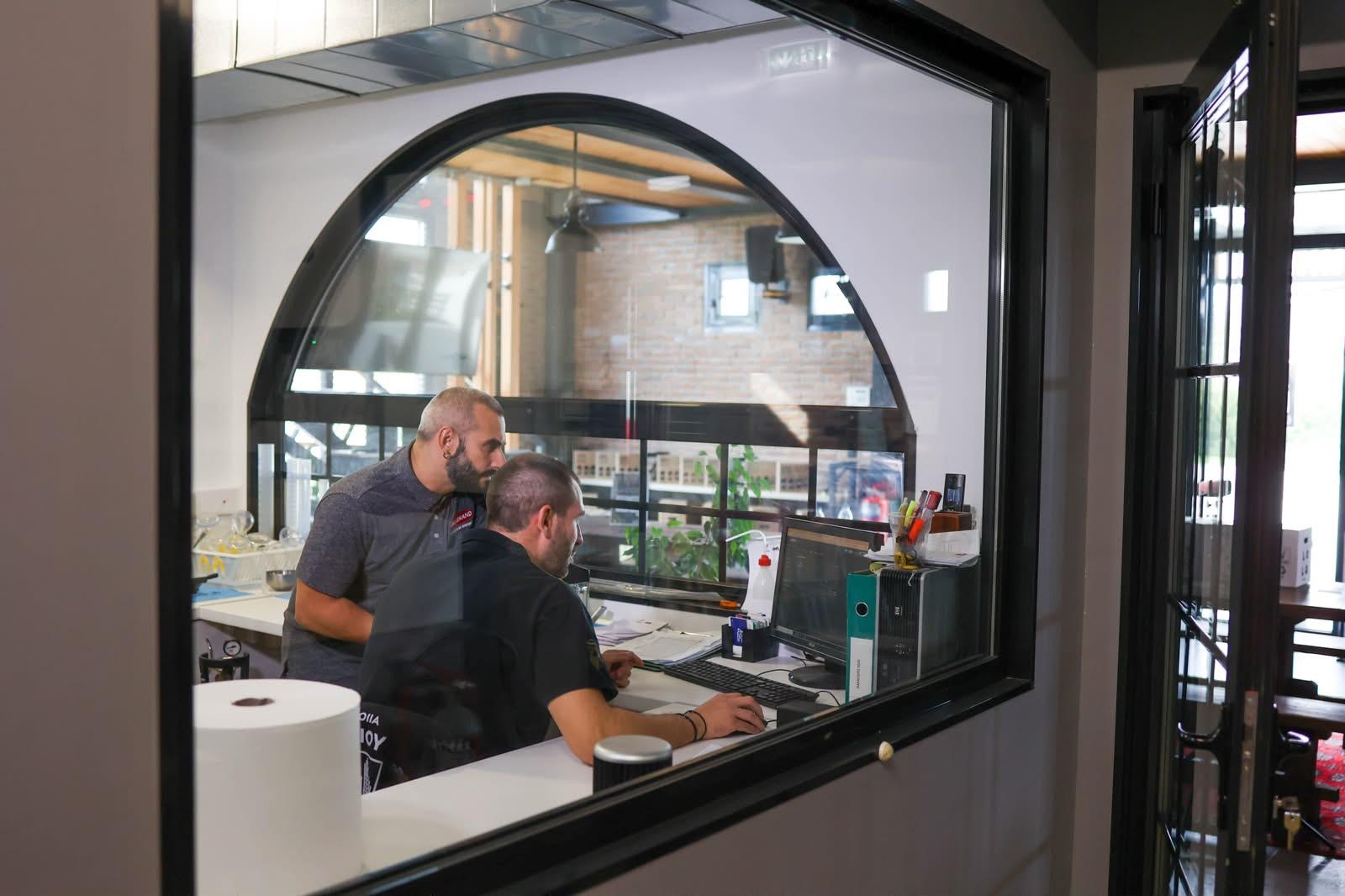
Having Lallemand’s technical support throughout the project allowed us to move faster, evaluate different options with confidence, and make informed decisions every step of the way. My special thanks go to Gianmaria for his guidance and support. His contribution went far beyond providing knowledge about the NAB process. He was involved throughout the entire project, from the initial concept and recipe development to being on-site during production day. Having his expertise and support at every stage was invaluable.
Was there anything about non-alcoholic brewing that surprised you during the process?
What surprised me most was how creative the process can be. Many brewers see non-alcoholic beer as a limitation. I see it as an opportunity to challenge traditional assumptions and rethink what makes the brewing process really great.
What advice would you give to brewers looking to enter the non-alcoholic beer segment?
To be honest, this project has made me even more excited about brewing. It opens up a whole new world of possibilities, and we as brewers should embrace the opportunity to develop new beer styles, explore different flavor profiles, and push the boundaries of what brewing can achieve.
Most importantly, work with trusted partners, stay curious, and keep an open mind. Non-alcoholic beer is not just a growing category. I believe it represents one of the most exciting opportunities, and the next era of brewing.